
Ranch Worker Fatality Makes National News

A ranching operation in Saskatchewan has gained national attention after receiving a $25,000 fine and negative press following the work-related death of a farm worker. There are many articles available online about this; but it is an opinion piece published in the Western Producer, titled Recent ranch fatality shows need for safety plan, that is generating discussion.
Fines, penalties, orders and even the potential for jail time aside, the last thing any farm wants is to have someone die there. One of the most effective ways to prevent tragedies, such as the one in Saskatchewan, is to create and use a farm-specific health and safety program.
How and why does a safety program work? Think of it this way: Safety programs help you identify and correct potential problems before they become problems. For example, the Alberta FarmSafe Plan Manual and learning program help you systematically examine different areas of the farm and thoughtfully address these problem areas. It then helps you take practical steps to manage any existing or potential problems that exist.
In simple terms, a well-executed safety program is a series of small, ongoing efforts that save lives. AgSafe Alberta has numerous free resources to help you create a safety program as easily as possible:


Surgical Masks & N95 Respirators Are NOT the Same!
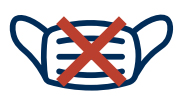
Surgical masks (also called medical masks) are not the same as N95 respirators. Many people still don’t fully understand what surgical masks can and cannot do, and may mistakenly think a surgical mask is a reasonable substitute for an N95 respirator. The following should help you learn the difference between them, what each one does and why they are not equal!
Surgical Masks Are Not Respirators
Surgical masks, or medical masks, are loose-fitting, single-use devices that help prevent large droplets from being spread by the person wearing one and can help catch large droplets from splashes or sprays in the work environment.
Surgical masks are a type of face mask, similar to a dust mask or cloth mask. Surgical masks are not designed to fit a person’s face tightly or seal against it. This permits contaminants to enter the area between the user’s face and the mask, allowing them to be breathed in. Surgical masks also do not prevent small, airborne contaminants from passing through the mask material and entering the user’s respiratory system.
It is important to recognize the purpose and limitations of these devices. The Centers for Disease Control and Prevention (CDC) and National Institute for Occupational Safety and Health (NIOSH) state that these devices “may block droplets,” “may protect others around you,” and that “it is very difficult to know the level of filtration and protection (these devices) provide1.” When you see the word “may,” it is important to understand that while it indicates something may be possible, it is also uncertain and may not, in fact, happen.
What is an N95 Respirator?
N95 respirators are a type of face-filtering respirator and are designed to fit tightly against the skin of the face. The edges of the respirator form a tight seal around the nose and mouth and efficiently filter out airborne particles as air is drawn through the filter material of the facepiece. The “N” indicates that this type of respirator is not resistant to oil, and the 95 indicates that it filters out at least 95% of airborne particles.
N95 respirators are NIOSH-approved and meet established NIOSH requirements, including a demonstrated level of manufacturing quality. This type of respirator is tested to prove that it meets certain standards when used properly by a trained and competent person, and this is reflected by the N95 rating.
N95 respirators that have exhalation valves can help make the respirator more comfortable by reducing the heat build-up in it, but should not be used in areas that must be kept sterile or if there is a risk that the person wearing it may transmit something like a virus into the work environment.
It is important to remember that N95 respirators are labelled ‘single-use. If it becomes soiled, is damaged, or breathing becomes difficult, you should remove it and replace it with a new one.
Comparison Chart
N95 respirators and surgical masks are different. Before deciding to use one or the other, a thorough hazard assessment should be performed by a competent person. An N95 respirator provides a higher level of protection, so it would be OK to use an N95 respirator in place of a surgical mask. However, it would not be OK to use a surgical mask in place of an N95 respirator, as you can see in the table below.
| Surgical/ Medical Mask | N95 Respirator | |
| Is it a respirator? | No | Yes |
| Does it prevent small particles from entering the area between the user’s face and the mask? | Maybe1 | Yes, when fitted and worn properly |
| Does it prevent small particles from passing through the filter material? | Maybe1 | Yes, when handled and worn properly |
| How well does it protect you? | May block droplets, may not filter out particles1 | Tested against NIOSH standards and filters out 95% of airborne particles |
| What is the assigned protection factor (APF)*? | Does not have one | 10 |
*All respirators are given a number called an assigned protection factor (APF). This number represents the expected level of respiratory protection that would be provided by a properly functioning respirator when fitted to and used by someone who is both trained and competent.
Resources:
Make Safety Real
on Your Farm

Did you know that 67% of falls result from slips & trips on
Sometimes health and safety programs become little more than words on paper or a dusty binder sitting on a bookshelf. This often happens when they’re made just to meet legal rules, instead of coming from a real understanding of safety and a true desire to protect the people doing the work.
When you lose sight of your safety program’s goals, or worse, cannot remember them because your entire health and safety policy was a template document you just downloaded and wrote your farm name on, the program will be ineffective, incidents will happen and people will get hurt. Sometimes severely.
Take the time to review your health and safety program today and answer these questions:
- Is your health and safety program actively being used?
- Are you achieving your specific goals and keeping people safe?
- Do your family members and employees believe your commitment to their safety?
- Is everyone living safety through their actions and behaviours while they are working?
- Is everyone going home safe and sound to their loved ones everyday?
Take a moment to watch Safety Is Personal: An Employer’s Story from WorkSafe BC. The industry may be different, but the message and difficult lesson learned can apply to all of us.
Resources:
- Alberta FarmSafe Plan Manual
- Alberta FarmSafe Plan Learning Program (free, self-paced, online program)
- Health and Safety Program Goals Worksheet
- Customizable Health and Safety Policy Template – Simplified
- Customizable Health and Safety Policy Template – Full
- Health and Safety Policy Checklist
- Other Customizable template documents & resources
