
Echoes from the Pit: Lives Lost, Lessons Unlearned
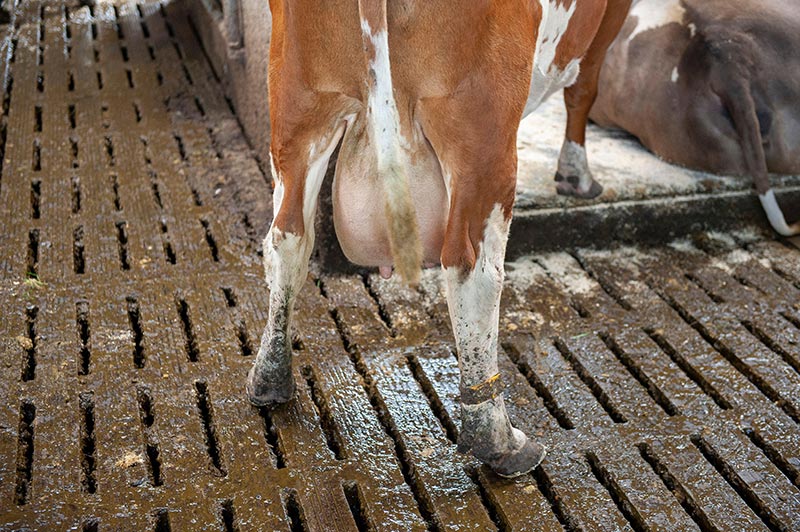
No one should die in a manure pit. These deaths are preventable, but they are still occurring.
Recently, a single incident resulted in the death of six people on a dairy farm in Colorado, echoing a 1989 incident where five family members died in a manure pit. Even a Quebec coroner is urging for more efforts to prevent manure pit incidents following the 2024 deaths of a farmer and his partner in a manure pit on their farm.
You can read more about these incidents here:
The Bull Vine: The Colorado Dairy Farm Tragedy: Devastating Dairy Farm Accident Kills Six
The Canadian Press: Farmers should be more aware of manure pit dangers, Quebec coroner says
NIOSH: Five Family Members Die After Entering Manure Waste Pit on Dairy Farm
As far back as 1986, the National Institute of Occupational Safety and Health (NIOSH) published findings after investigating numerous confined-space fatalities and found these three common factors:
- Lack of recognition of confined spaces. This means there was no thorough hazard identification process performed on the farm. Restricted spaces can become confined spaces, and these are often overlooked.
- Lack of testing, evaluation and monitoring. This means the hazard assessment and control process was not careful or thoughtful enough, if it even occurred at all. Many hazards can exist or develop in a confined space, especially after work begins. Luckily, there are also many measures that can be taken to prevent an incident from occurring.
- Lack of a well-planned rescue. When a rescue is well planned and prepared for, in the event that something goes wrong, people can still leave these spaces alive.
These incidents raise two questions:
1. Why do these preventable incidents (not accidents) keep happening?
If it is a lack of recognition and understanding, AgSafe Alberta has developed free resources to support you in preventing something like this from happening on your farm.
- Download the free Alberta FarmSafe Plan Manual
- Take the free, online & self-paced AgSafe Alberta FarmSafe Plan Learning Program
- Download the free AgSafe Alberta Confined Space Awareness Manual
- Take the free, online & self-paced AgSafe Alberta Confined Space Awareness Course
2. At what point will we see more government involvement on farms as a result of these types of incidents?
It’s not just confined-space incidents finding their way into the news headlines. Earlier this year, chemical handling on farms made national news and has yet to make its way through the courts. Similarly, an incident in Saskatchewan where a worker drowned as a result of entering a dugout on horseback has resulted in charges.
As far as federal law stands, it would be reasonable to expect that if a farm worker were to die in a confined space incident, such as those presented here, the farmer and supervisor (if there was one) could both be charged as criminally negligent and face time in prison. If you are not already familiar with this, it is highly recommended that you read Section 217.1 of the Criminal Code of Canada. The Canadian Centre for Occupational Health and Safety has created a document to help you better understand this: Westray Bill (Bill C-45) – Overview .


AgSafe Alberta Confined Space Awareness Course
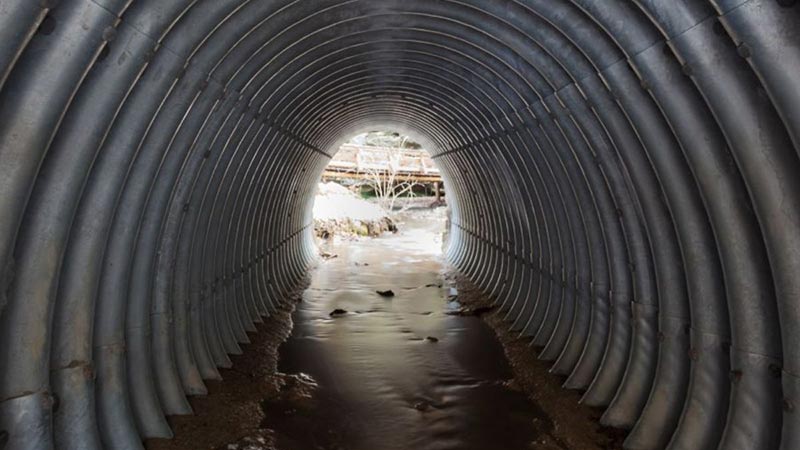
Confined spaces and confined-space incidents occur in all industries, including farming.
The AgSafe Alberta Confined Space Awareness Course will teach you what restricted and confined spaces are, as well as help you learn how to identify these spaces on your farm and the hazards associated with them. It will also introduce you to some of the ways that the hazards of these spaces can be controlled before someone enters one. What makes this course different from many of the others available is that it is agriculture-specific, it uses plain language wherever possible and it provides practical examples relating to farming.
This short course is expected to only take approximately 30 to 45 minutes to complete.
What you will learn:
- Why you and your farm team need this course.
- What restricted and confined spaces are, as well as tips to help you identify them.
- Some common hazards and risks of confined spaces, as well as ways they may be controlled.
- Hazardous energy and an introduction to lock out / tag out (LOTO).
- Why you need to be ready to rescue and an understanding of what that might look like
- The roles, responsibilities and training relating to work in confined spaces
- What a confined space program is.
Click HERE to take this free, self-paced course today!
November is Fall Prevention Month!

Did you know that 67% of falls result from slips & trips on the same level? (CCOHS, 2023)
Falls are a common cause of injury on farms. Falls from heights are usually first to come to mind (and typically result in greater harm when one occurs), but it’s falls from the same elevation that happen more often and hurt more people.
What can you do to prevent a slip, trip or fall (from the same level)?
| Wear the right type of non-slip footwear for the work & conditions | Keep walking area free of spills, water and ice |
| Keeps cords and hoses off walkways where possible; use cable channels if available | Practice good housekeeping (e.g., keep walking areas clean & free from clutter or obstructions) |
| Ensure work & walking areas have good lighting | Keep walking areas in good condition (e.g., secure loose boards or rugs) |
| Don’t rush & stay aware of your surroundings | Ensure lighting is good or use a flashlight |
| Keep walking areas in good condition | Make sure you can see where you are going! |
How can you prevent a fall from height?
| Keep three points of contact, even when climbing into tractors and other equipment | Inspect ladders, scaffolds, work platforms & equipment prior to use |
| Use tool belts and hoist larger items to the work area | Install guard rails around elevated areas |
| Follow the 4:1 rule (one foot back from the wall for every four feet of rise) when using ladders | Ensure extension ladders are locked and extended at least three feet above the contact point/roof line |
| Have someone hold the base of the ladder or tie the ladder off properly | Wear non-slip footwear & ensure the soles are free of mud or snow |
| Ensure work & access platforms are in good condition | Keep walking areas and work platforms free of tools, clutter and cords |
Here are some resources to help you on your farm:
FARMERS CARE Slips Trips & Falls Videos
FARMERS CARE Fall From Heights Video
Alberta Health Services Do the Penguin Walk!
